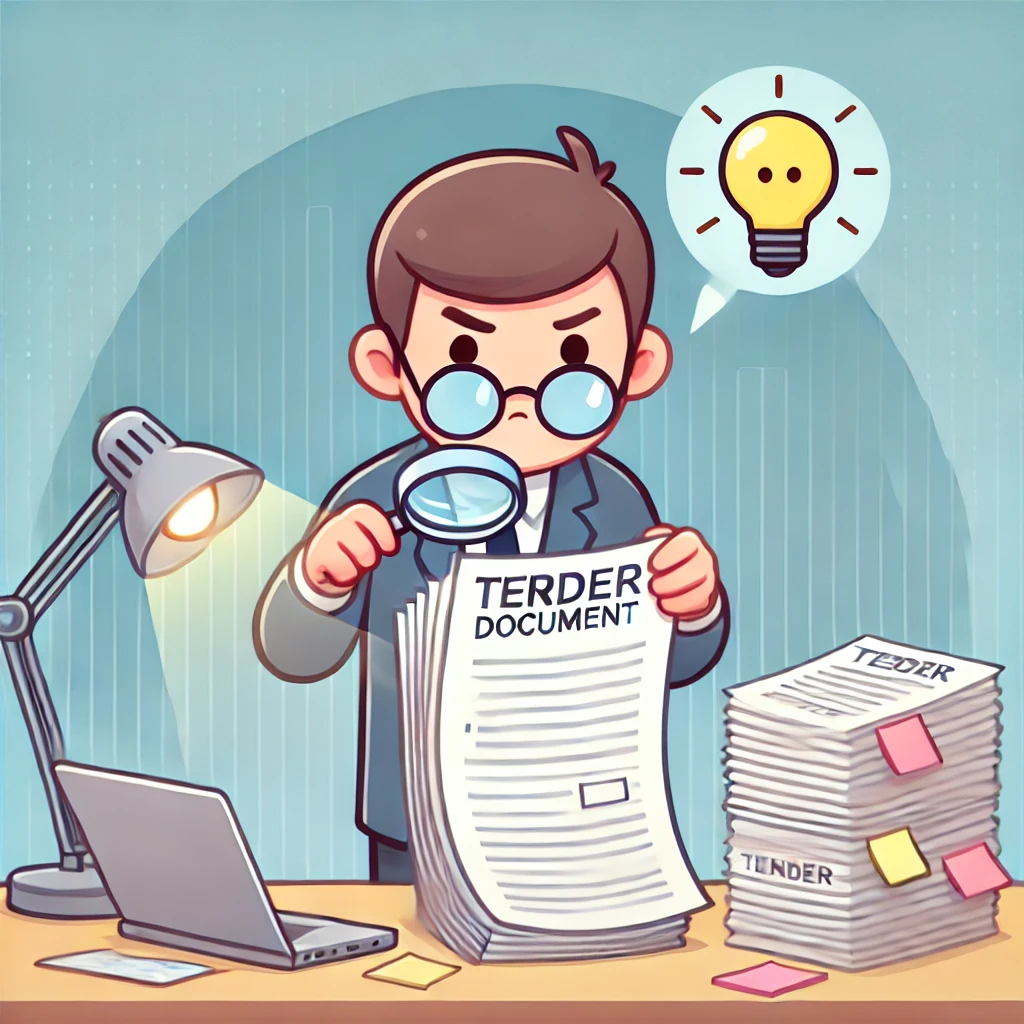
In EPC and large-scale project bidding, tenders don’t get lost because of price, capability, or certifications. Most tenders are lost because teams didn’t read the document properly—or didn’t understand what they read. It sounds simple, but it’s a critical truth. 🔍
Tendering is not a writing exercise. It’s a deep-reading and accurate interpretation exercise. Your ability to analyze, understand, and interpret the tender requirements is what determines whether you win—or face costly consequences later.
Common Tendering Mistakes That Derail Submissions
Many teams rush straight into responding without proper preparation. Common pitfalls include:
- Writing the response without proper analysis
- Copy-pasting past submissions without tailoring to the current tender
- Crafting the solution too early before fully grasping requirements
- Assuming requirements instead of understanding them thoroughly
Other frequent errors include:
- Missing mandatory requirements hidden in footnotes or appendices
- Misinterpreting evaluation criteria and scoring mechanisms
- Overlooking critical exclusions or limitations
- Failing to incorporate updated addendums or amendments
- Answering the question you think they asked, not the question they actually asked
- Overlooking requirements scattered across multiple sections (design criteria, ADC, specifications)
Why Misreading a Tender Can Be Costly
Failing to interpret a tender properly doesn’t just risk losing the bid—it can create major problems if you win. Misunderstood tender requirements can result in:
- Unexpected scope elements that weren’t priced
- Complex deliverables without proper resourcing
- Hidden KPIs and performance metrics in the fine print
- Rejected change requests because “it was clearly stated in the tender”
- Blown budgets and cost overruns
- Eroded profit margins turning into losses
- Project teams scrambling to deliver promises they didn’t know existed
- Severely damaged client trust even before project execution begins
How to Avoid Tender Reading Mistakes
The key lesson from years of EPC tendering experience:
A strong reader beats a strong writer—every single time.
When you thoroughly interpret the tender, your response aligns naturally with client requirements—and your project delivery follows suit seamlessly.
Here’s a systematic approach to tender document review:
- Multiple reading passes: Read the tender several times to ensure nothing is missed.
- Requirement checklists: Document every deliverable, exclusion, and obligation.
- Cross-referencing: Check for consistency between sections (design criteria, specifications, appendices).
- Collaborative review: Include subject matter experts in the review process.
- Query log: Maintain a record of clarifications sent to the client or authority.
- Regular review meetings: Keep your team aligned and accountable throughout the tender preparation process.
Remember: Every word in a tender document carries weight. Even minor details can have major commercial and operational implications during project execution.
Key Takeaways
- Pause to read before you write.
- Tendering success depends more on interpretation and comprehension than writing skill.
- A methodical, systematic review process reduces errors, aligns bids with client expectations, and prevents costly execution issues later.
Join the Conversation
Tendering professionals:
- What’s the most common reading or comprehension mistake you’ve seen in tender submissions?
- How has careful document review saved your projects from scope creep, cost overruns, or disputes?
If this resonates with your experience, please like, share, or repost to help others avoid these common pitfalls.