EPC outsourcing can compress timelines and reduce owner workload, but only when accountability is intentionally engineered into the contract, governance, and daily execution. Without that design, scope gaps, cost creep, and schedule drift get “shared” across interfaces until decisions stall and no party truly owns outcomes.
This guide lays out practical, field-tested mechanisms to create single-point accountability, clarify role boundaries, measure performance with objective KPIs, and enforce control gates from design through handover.
Define Single-Point Accountability Across the Big Five
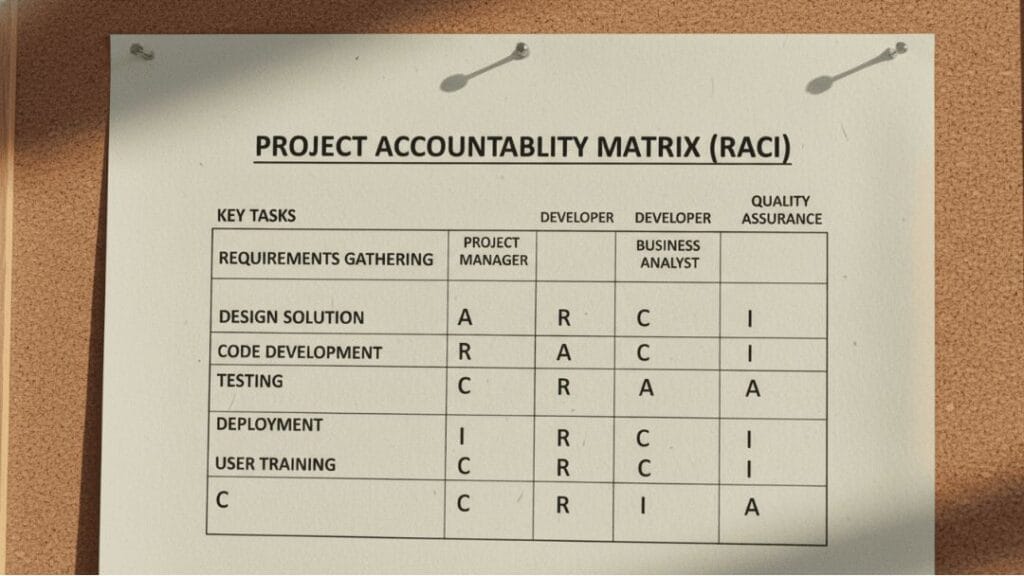
Owners often assume that “EPC” automatically implies single-point responsibility. In reality, accountability is achieved only when the EPC’s obligations are explicit, measurable, and enforceable—especially at the interfaces between engineering, procurement, construction, and commissioning.
What single-point accountability means in practice
- Scope: One party is responsible for delivering a complete, integrated facility—not just performing activities. Define battery limits, tie-ins, utilities, and temporary works explicitly.
- Cost: One party owns cost performance against an agreed baseline, including predictable interface costs, expediting, and rework.
- Schedule: One party owns the integrated, logic-tied master schedule and the critical path, including vendor dates and construction sequence.
- Quality: One party owns the quality management system, inspection and test plans, and closure of nonconformances to acceptance criteria.
- Safety: One party owns site safety leadership, contractor control, and enforcement authority, backed by stop-work rights and corrective action protocols.
Make accountability visible and enforceable
- Write deliverables as outcomes (what is handed over, how it will be accepted), not just tasks performed.
- Define interface ownership per system, area, or work package, including who owns clashes, late data, and access constraints.
- Align payment and acceptance to verifiable milestones, not calendar dates or subjective progress.
Lock Clear RACI and Role Boundaries: Owner, EPC, and Subcontractors
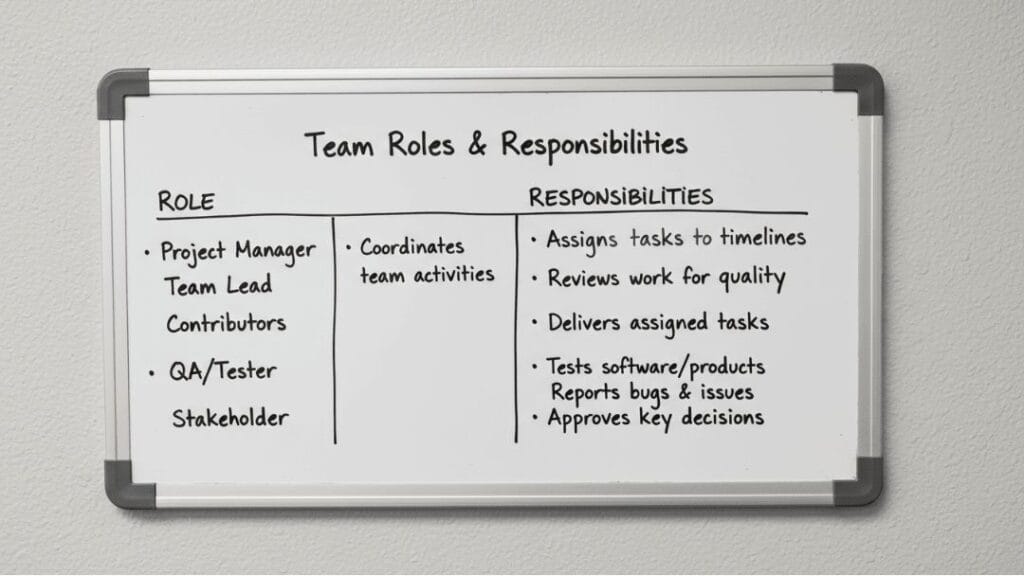
Ambiguity at the boundaries is the fastest route to “shared responsibility.” Your contract and governance model must define who decides, who executes, who approves, and who provides input—especially for design changes, procurement exceptions, and field-driven modifications.
Design a RACI that eliminates grey zones
- Owner: Sets business requirements, funding constraints, and acceptance standards; approves only what truly needs owner approval.
- EPC: Accountable for delivery outcomes; manages integration; owns vendor management, construction means and methods, and site execution planning.
- Subcontractors and vendors: Responsible for discipline deliverables within defined scope; no direct scope negotiation with owner unless explicitly allowed.
Focus the RACI on the decisions that cause drift
- Design basis and deviations
- Equipment substitution and long-lead expediting
- Field change requests, RFIs, and constructability decisions
- Turnover and commissioning readiness
- Claims, time extensions, and entitlement documentation
Sample RACI decision table (adapt to your EPC project)
| Decision Area | Owner | EPC | Sub/Vendor | Notes |
|---|---|---|---|---|
| Design basis approval | Accountable | Responsible | Consulted | Freeze early; control deviations by threshold |
| IFC drawing release | Informed | Accountable | Responsible | Acceptance tied to design maturity gate |
| Equipment substitution | Approver | Responsible | Consulted | Define technical equivalency and lead-time rules |
| Field change (constructability) | Consulted | Accountable | Responsible | Timebox approval and pricing cycle |
| Turnover package acceptance | Approver | Responsible | Responsible | Milestone acceptance criteria must be measurable |
Set Measurable KPIs That Drive the Right Behaviors

Accountability collapses when performance is measured with vague status narratives. Use leading and lagging indicators that connect directly to delivery outcomes, and define how each KPI is calculated, reported, and acted on.
Core KPI set to include in governance and reporting
- Earned value: CPI and SPI tied to a progress measurement method that matches the work (engineering deliverables, procurement milestones, installed quantities).
- Schedule variance: Critical path variance and near-critical path watchlist, not just “percent complete.”
- Change-cycle time: Average days from change initiation to approved scope, price, and time impact.
- NCR closure: Number open, aging, and closure rate; link to work release and turnover readiness.
- RFI and submittal cycle time: Average response time and backlog by owner and EPC, with timeboxed commitments.
- Procurement health: Long-lead status, vendor promised dates versus need-by dates, and expediting actions closed.
- Safety performance: Leading indicators (audits closed, training completion, observations) plus lagging indicators (recordables, severity).
Define KPI ownership and consequences
- Assign a named owner for each KPI (not a department) and require a corrective action plan when thresholds are breached.
- Set “red/yellow/green” criteria with objective triggers and required escalation levels.
- Link incentives to outcomes that cannot be gamed (accepted deliverables, verified readiness, closed punch items), not to self-reported progress.
Establish Control Gates for Design, Procurement, and Construction Handoffs
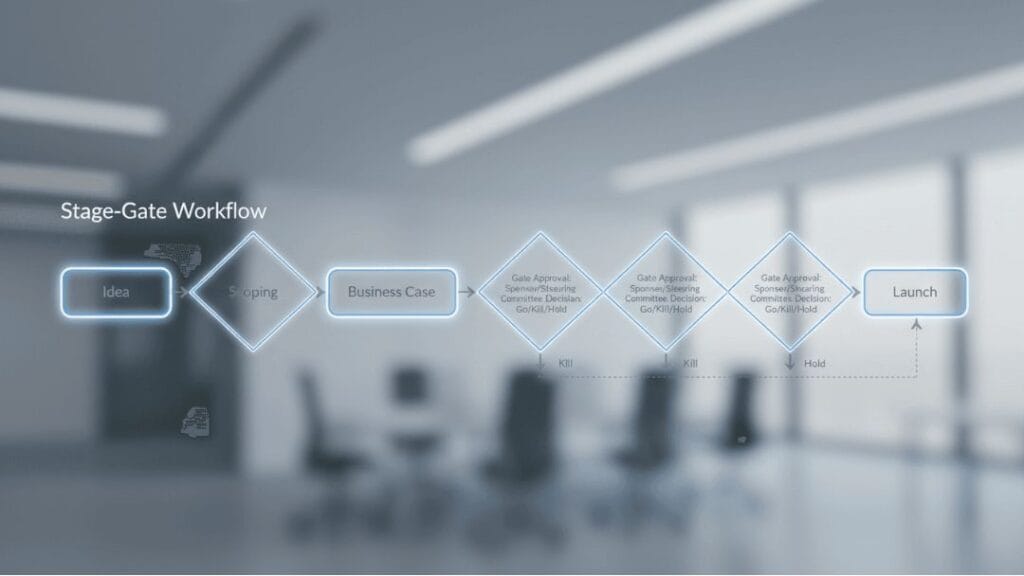
Most EPC failures happen at transitions: design to procurement, procurement to construction, construction to commissioning. Control gates create a disciplined “ready-to-proceed” structure so downstream work starts with stable inputs.
Gate 1: Design maturity (before IFC and bulk procurement)
- Design basis and key assumptions approved and frozen within defined limits.
- Model and drawing maturity targets met (e.g., deliverable completeness and interdisciplinary checks complete).
- Constructability review completed with documented actions closed.
- Hazard reviews completed (as applicable) with action ownership and closure dates.
Gate 2: Procurement readiness (before major commitments)
- Approved vendor list, bid packages, and technical specifications issued.
- Clear lead-time assumptions and “need-by” dates validated against schedule logic.
- Substitution and deviation process defined, including approval thresholds.
- Inspection and test requirements set, including hold points and documentation needs.
Gate 3: Construction handoff (before releasing work fronts)
- Issued-for-construction package complete for the work area (drawings, specs, method statements as required).
- Materials available or committed with delivery dates aligned to the weekly lookahead plan.
- Permits, access, and temporary facilities confirmed.
- Quality and safety plans briefed; field supervision and competency requirements met.
Gate 4: Turnover and commissioning readiness (before acceptance)
- Turnover packages complete: as-builts, test records, certificates, and traceability documents.
- Punch list severity categorized with closure deadlines and authority to withhold acceptance.
- System boundaries defined for energization and start-up, with lockout and permit protocols.
Make It Work Day-to-Day: Change Management, Reporting, and Contractual Levers
Accountability is not a document—it is a routine. The strongest contracts still fail when execution rhythms are weak, decisions are slow, and visibility is selective. The goal is to make deviations obvious, decisions fast, and consequences predictable.
Tight change management that protects the baseline
- Baseline scope: Define what is included, excluded, and assumed; attach the scope basis and define hierarchy of documents.
- Approval thresholds: Pre-define who approves changes by cost, schedule impact, and technical criticality.
- Timeboxed RFIs and submittals: Set response time SLAs, escalation paths, and “deemed approved” rules only where safe and appropriate.
- Pricing and time impact standards: Require contemporaneous records and agreed methods for productivity and disruption claims.
Transparent reporting that drives action, not storytelling
- Weekly dashboard: CPI/SPI, critical path status, procurement heat map, RFI/submittal aging, NCR aging, safety actions closed.
- Risk register ownership: Each top risk has an owner, mitigation actions, due dates, and quantified impact ranges.
- Forecast discipline: Require “estimate at completion” updates with variance explanations and recovery plans.
Contractual levers that reinforce accountability
- Incentives: Tie to measurable outcomes (accepted milestones, verified performance tests, achieved mechanical completion dates).
- Liquidated damages: Define triggers, caps, and how concurrent delay is handled; align LDs to business impact and critical milestones.
- Milestone acceptance criteria: Define objective completion (documents delivered, tests passed, punch limits, commissioning readiness).
- Retention and release: Align retention release to turnover quality and document completeness to prevent “paper later” drift.
Cadence and escalation rules that prevent slow failure
- Daily: Field coordination with constraints log, safety focus, and 2-week lookahead checks.
- Weekly: Integrated project review covering schedule logic, procurement exceptions, and change log cycle time.
- Monthly: Executive steering review focused on forecast, top risks, claims posture, and recovery decisions.
- Escalation: Define time-to-escalate by issue type (safety, critical path, cost overrun, quality hold points) and empower rapid decision-making.
Practical Implementation Checklist
- Single-point accountability written as outcome-based obligations for scope, cost, schedule, quality, and safety.
- RACI covers the decisions that create drift: deviations, substitutions, field changes, turnover acceptance, and time extensions.
- KPIs are defined with calculation methods, thresholds, owners, and required corrective actions.
- Control gates exist for design maturity, procurement readiness, construction handoffs, and turnover readiness.
- Change management is timeboxed with clear approval thresholds and contemporaneous documentation rules.
- Weekly dashboards and risk registers assign ownership and force decisions early.
- Incentives, LDs, and milestone acceptance criteria align money with verified outcomes.
- Leadership cadence and escalation rules are documented and enforced from day one.
RACI (role clarity): https://en.wikipedia.org/wiki/Responsibility_assignment_matrix
Project risk management: https://en.wikipedia.org/wiki/Risk_management and https://www.pmi.org/standards/pmbok
Contracting guidance (EPC): https://fidic.org/books and https://iccwbo.org/publication/incoterms-2020/
For more insights please subscribe to https://projifi.blog/


